How-To
How to Put Patches on a Backpack (4 Ways)
By the Nation Patches team · Updated · 6 min read
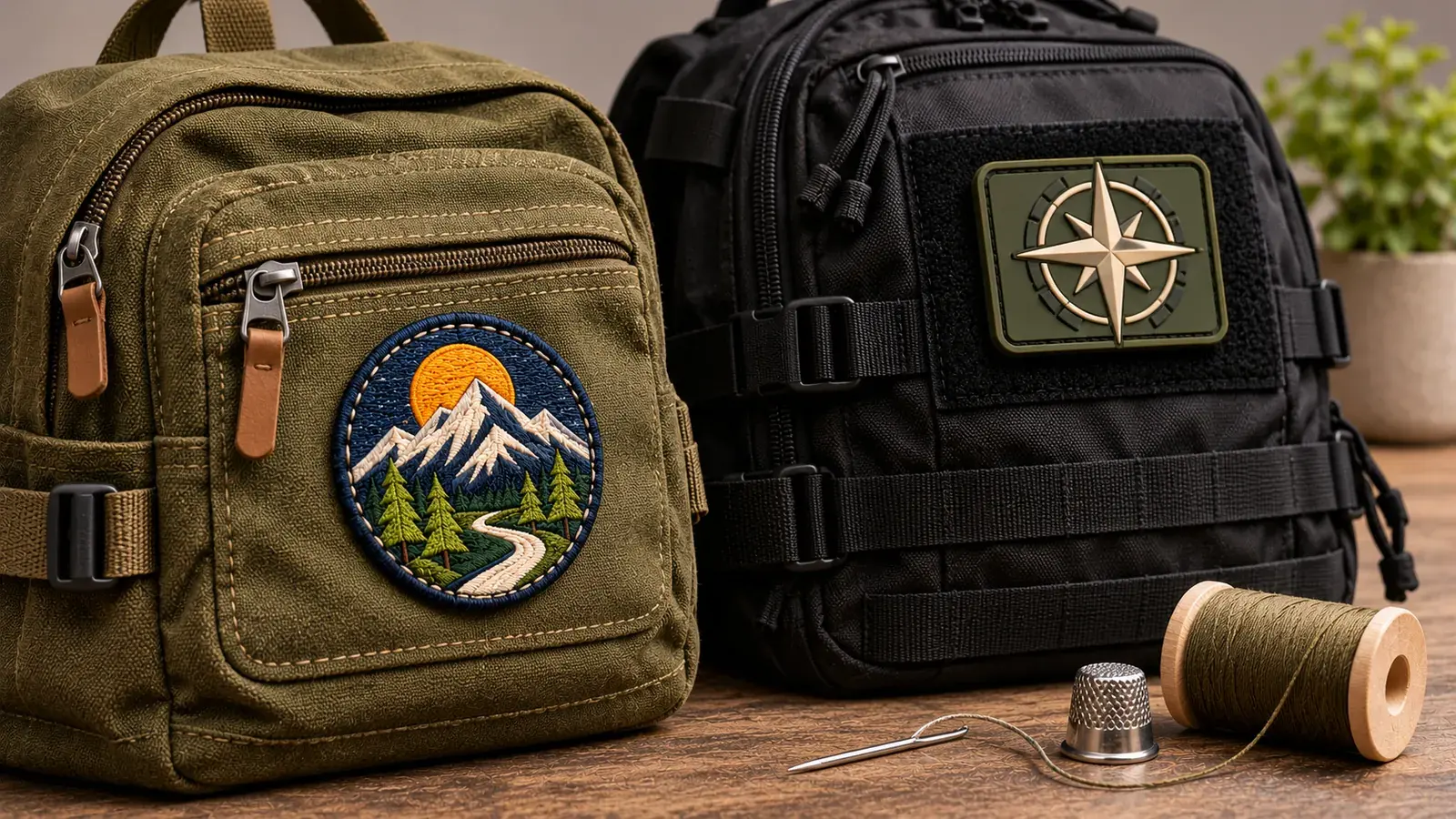
If you're wondering how to put patches on a backpack, sewing is the most reliable method for almost any bag. Hand-stitch around the patch edge with heavy-duty polyester thread, working only through the outer layer. For gear you want to change often, a hook-and-loop panel is the best option.
Iron-on patches and fabric glue can work too, but only on certain fabrics. Backpacks are made from nylon, polyester and canvas, and each one reacts differently to heat and adhesives. This guide compares the four methods and shows you how to do each one.
How to Put Patches on a Backpack: Methods Compared
Start by checking the bag's fabric tag. Then match your method to the material and to how much abuse the backpack will take.
| Method | Nylon / polyester | Canvas / cotton | Durability | Removable? |
|---|---|---|---|---|
| Sewing | Yes | Yes | Highest | Only by unpicking |
| Iron-on | Risky; can melt | Yes | Good | No |
| Hook-and-loop panel | Yes (sew the panel) | Yes (sew the panel) | High | Yes, swap anytime |
| Fabric glue | Weak bond | Fair | Low to fair | No |
How to Sew a Patch on a Backpack
Sewing works on every backpack fabric. It also handles rain, heavy loads and being stuffed under a bus seat. However, a backpack is harder to sew than a shirt because of its pockets, padding and thick seams.
- 01
Pick a flat, single-layer spot
Front pockets and the main front panel work best. Avoid padded straps and the back panel.
- 02
Check inside the panel
Open every zipper and look behind your spot. Otherwise, you could stitch a pocket shut or catch the lining.
- 03
Pin or clip the patch
Thick fabric bends pins, so binder clips or a dab of fabric glue stick hold better.
- 04
Use strong thread
Choose heavy-duty polyester or bonded nylon thread. Double it, and tie a solid knot inside the pocket.
- 05
Stitch the edge
Use a whipstitch over a merrowed border, or a running stitch just inside a heat-cut edge. Space stitches about 1/8 inch apart.
- 06
Tie off and seal
Knot the thread inside, then trim it. On nylon thread, a careful touch of a lighter flame stops fraying.
A thimble is a must on heavy canvas. In addition, a curved needle helps when you can't reach behind the panel. For more on stitch types and machine sewing, read our full guide on how to sew on a patch.
Using Hook-and-Loop Panels on a Backpack
Hook-and-loop lets you swap patches whenever you like. That's why it's popular on tactical packs, school bags and travel backpacks. Many tactical backpacks already have a loop panel sewn on the front.
If your backpack has no loop panel
Buy a strip of sew-on loop fabric and cut it slightly larger than your biggest patch. Then sew it to the backpack around all four edges, using the steps above. Avoid peel-and-stick loop tape on bags, because it tends to peel when the bag gets hot or wet.
Which side goes where?
The soft loop side goes on the backpack. Meanwhile, the scratchy hook side goes on the back of the patch. This keeps the bag from snagging sweaters or other gear.
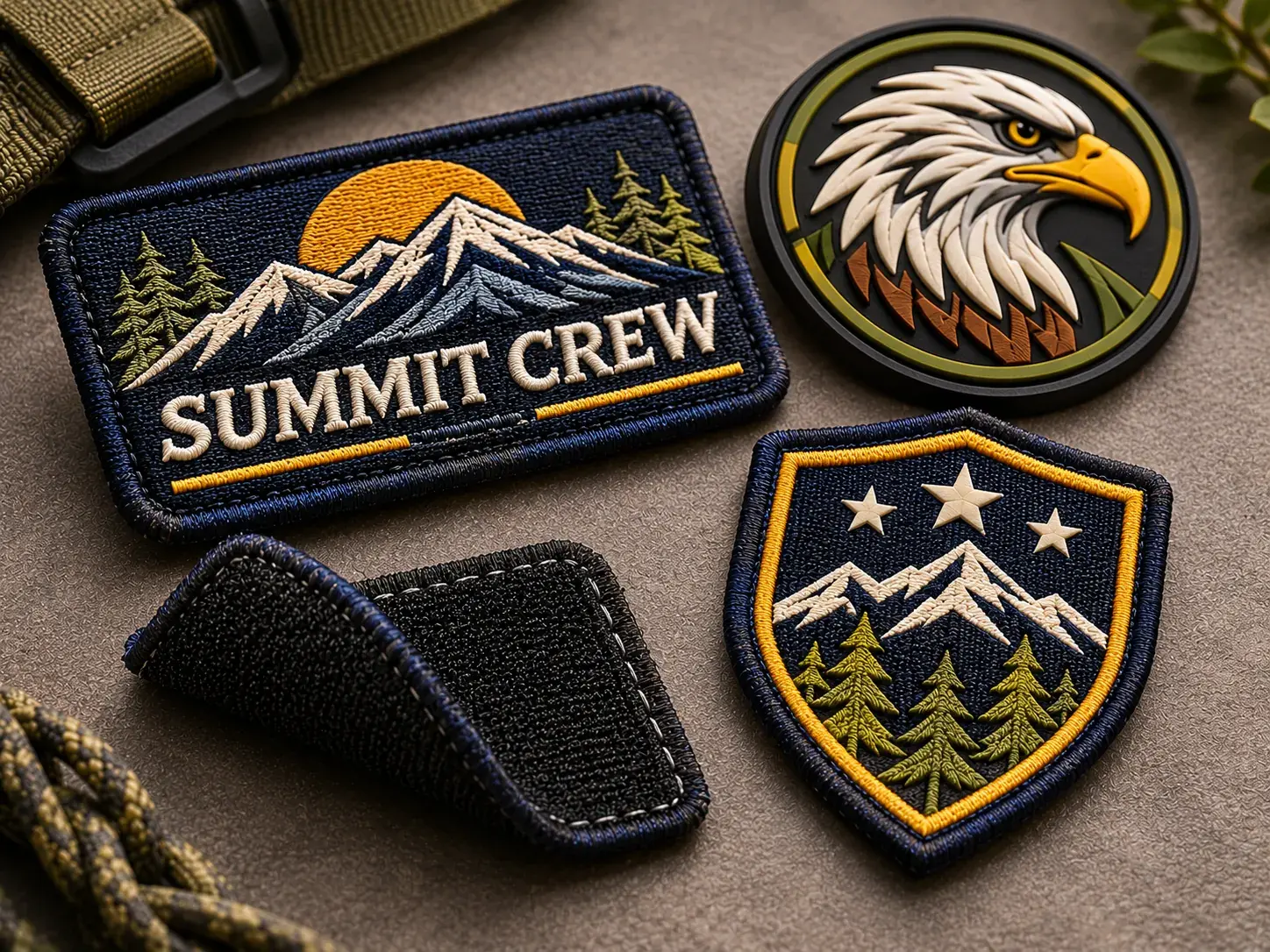
PVC patches are a great fit here. They're waterproof, flexible and hold their color outdoors. For a club, team or company, custom Velcro patches arrive with hook backing ready to press onto any loop panel.
Can You Iron Patches Onto a Backpack?
Yes, but only on the right fabric. Cotton canvas takes heat well, so iron-on patches usually bond firmly. Nylon and polyester are different, because they can melt or glaze before the glue fully sets.
Canvas backpacks
Empty the bag and slide a folded towel inside to create a firm surface. Next, use a dry iron on the cotton setting and a press cloth. Press for 25–30 seconds, then press again from inside the pocket if you can reach.
Nylon and polyester backpacks
Test the lowest heat setting on a hidden spot first. If the fabric shines or puckers, stop and sew instead. Even when an iron-on bond holds on nylon, it often lifts after a few rainy days. Our iron-on patch guide lists safe settings for each fabric.
Gluing Patches on a Backpack
Glue is the quickest way to add a patch without sewing. However, it's also the weakest on most backpacks. Smooth nylon gives glue little to grip, and constant flexing works the edges loose.
If you do glue, choose a permanent, flexible fabric adhesive. Apply a thin layer and clamp the patch under a heavy book for at least 24 hours. Then add a few stitches at the corners for extra hold. Our guide to fabric glue for patches covers glue types and curing time.
Backpack Patch Placement Tips
- Front pocket: the classic spot, and easy to sew because you can reach inside.
- Top flap or lid: visible from behind and above, which suits name or ID patches.
- Side panels: good for small patches, but check for water bottle pockets first.
- Straps: fine for very small patches only. Avoid padded areas, since stitching crushes the foam.
Lay all your patches out and take a photo before you commit. Also, leave some space around zippers so the pull doesn't scrape the patch. Bigger patches look best on the main front panel, where the fabric is flat.
How to Put Patches on a Backpack So They Last
Attaching the patch is only half the job. A little care keeps it looking sharp for years, even on a bag that goes everywhere.
- Spot clean the bag with mild soap and a soft brush instead of machine washing it.
- If you must machine wash, turn the bag inside out and use cold water on a gentle cycle.
- Always air dry, because dryer heat weakens iron-on adhesive and can warp PVC.
- Check the stitches every few months, and re-sew any loose spots before they spread.
- Wipe PVC patches with a damp cloth to remove dirt from raised details.
For iron-on patches, keep the bag out of a hot car trunk when you can. Strong heat can soften the adhesive and let the edges lift.
Which Patches Hold Up Best on Backpacks?
Backpacks rub against seats, walls and car trunks every day. So the patch itself needs to be tough.
- Embroidered: a classic textured look. A merrowed border resists fraying at the edges.
- PVC: waterproof and easy to wipe clean. Best paired with hook-and-loop or a sewing channel.
- Woven: thin and flat, so small text stays sharp. Good for side panels and straps.
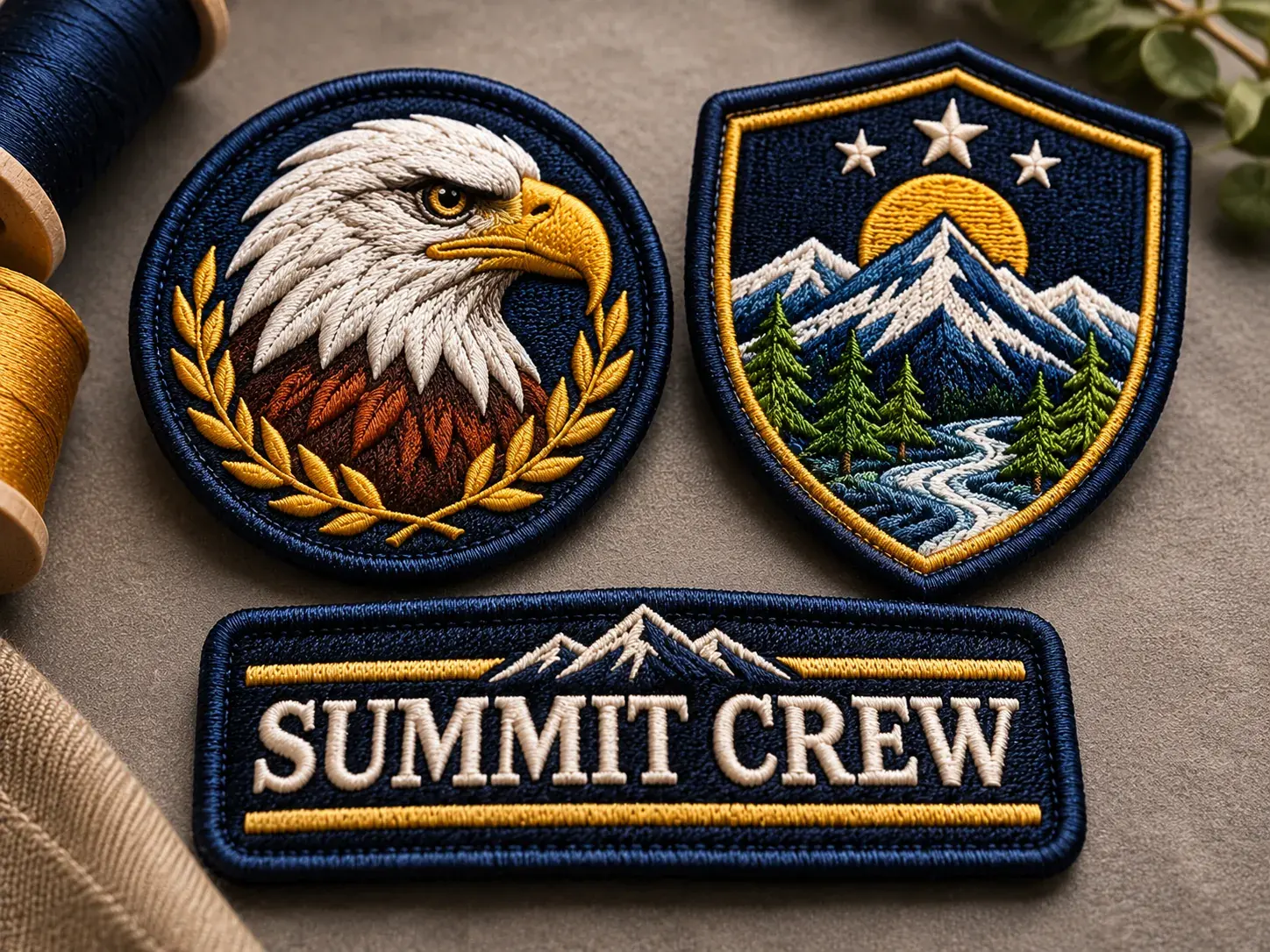
Sewn custom embroidered patches are a popular choice for school, scout and club backpacks. If you're planning patches for a group, send your design for a quote and tell us which backing you prefer.
Frequently Asked Questions
How do you put patches on a backpack without sewing?
Use a hook-and-loop panel if your bag already has one. Otherwise, iron-on works on cotton canvas, and permanent fabric glue is a short-term option on other fabrics.
Can you iron patches on a nylon backpack?
It's risky. Nylon can melt or glaze before the adhesive bonds. Test the lowest heat on a hidden spot, and sew the patch if the fabric reacts.
What thread is best for sewing patches on a backpack?
Heavy-duty polyester or bonded nylon thread. Both resist abrasion and moisture better than cotton or all-purpose thread.
Will sewing a patch damage a waterproof backpack?
Each stitch makes a small hole that can let water in. Seal the inside stitches with a seam sealer, or use a hook-and-loop panel sewn near existing seams.