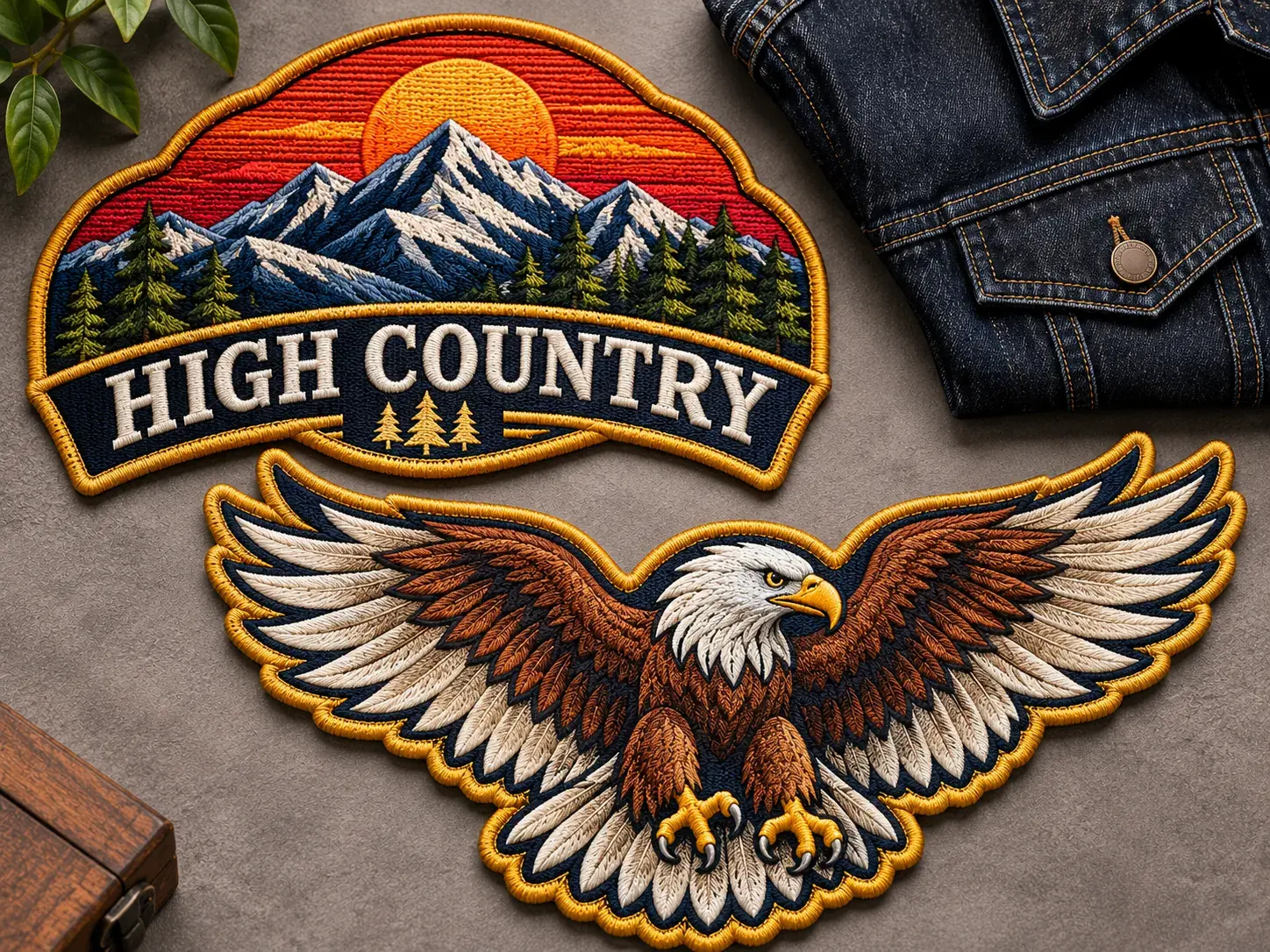
What Sets Custom Back Patches Apart
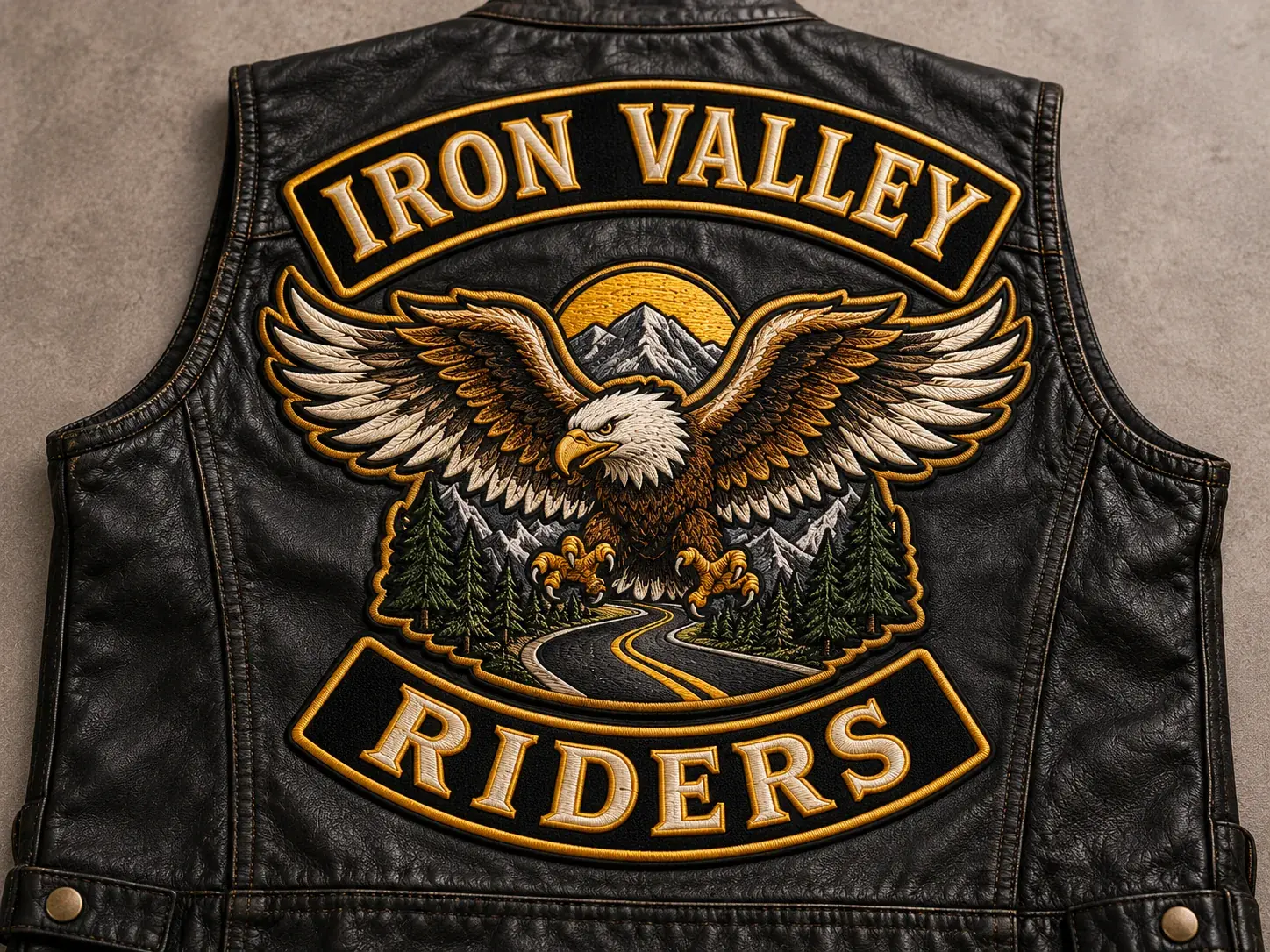
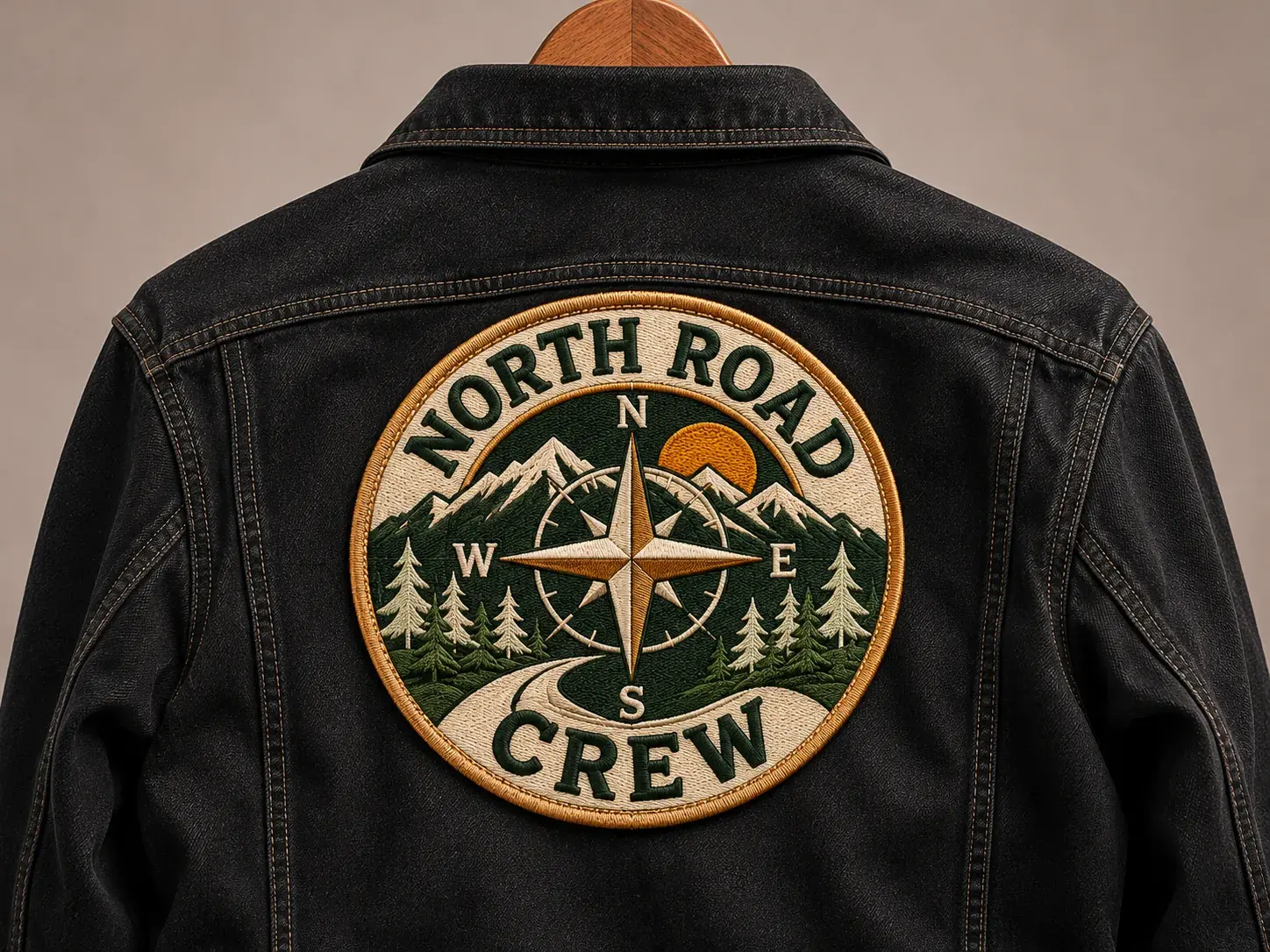
A back patch is simply a large patch sized for the area between the shoulder blades. Most designs fall between 8 and 12 inches wide. On a vest or small jacket, 9 to 10 inches often fits best, while a heavy work jacket can take 12 inches or more.
Size changes how a patch behaves. Thread adds weight, and a big patch holds a lot of thread. As a result, large patches need different planning from small ones to stay comfortable and flat.
Stitch Density on Big Embroidered Patches
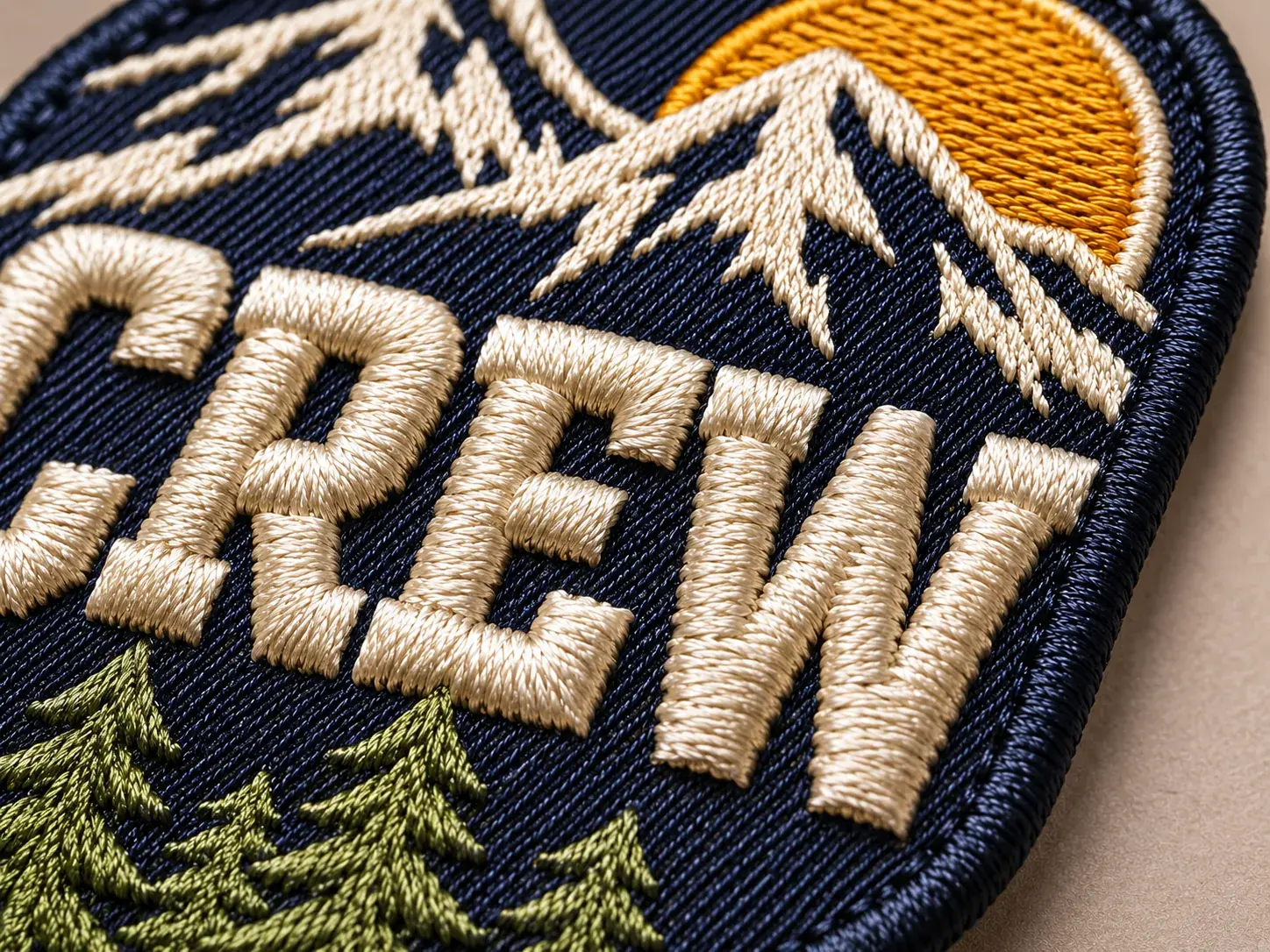
Stitch coverage is the share of the twill base covered by thread. It usually runs from about 50% to 100%. On a small patch, full coverage looks rich. On a large patch, however, 100% coverage adds noticeable weight and stiffness.
| Coverage | Look | Feel on a 10-inch patch |
|---|---|---|
| About 50–70% | Twill color shows through as part of the design | Lighter and flexible; drapes with the jacket |
| About 75–85% | Mostly thread, with some open background | Balanced weight and detail |
| 100% | Every area covered in thread | Heaviest and stiffest; best on firm jackets |
A smart trick is to pick a twill color that matches the main background. Then that area needs no stitches at all. You keep a bold look while cutting weight. Our team often suggests this when we review large designs.
How We Keep Large Patches Flat
Dense stitching pulls fabric inward. Across a big area, that pull can make the edges cup or the center bubble. To prevent this, large patches get a firm stabilizer behind the twill during stitching. In addition, the stitch direction is planned so pull spreads evenly.
Borders for large shapes
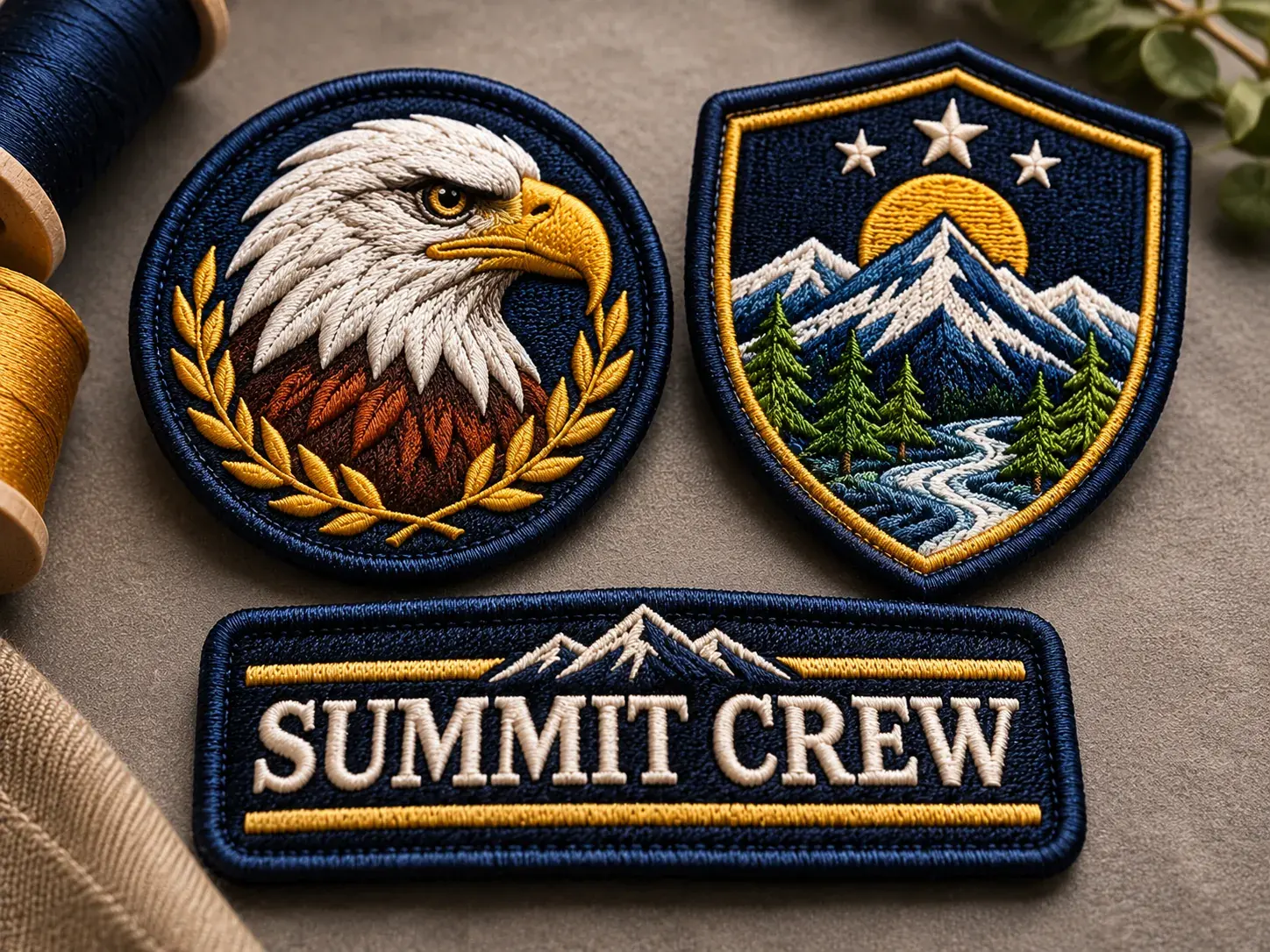
A merrowed border wraps the edge of circles, rectangles and shields with a thick overlock stitch. It also adds strength around a long perimeter. Complex outlines get a heat-cut border, which follows sharp points cleanly.
Backing for back patches
We recommend sewing back patches on. Large iron on patches can work as a positioning aid, yet a big patch flexes with every movement. A row of stitches around the edge keeps it secure through daily wear. For tips, see our guide on how to sew on a patch.
Choosing a Material for Your Back Patch
Embroidered
The classic choice for jackets. Raised thread gives depth, and lighter coverage keeps it wearable. See our embroidered patch options.
Chenille
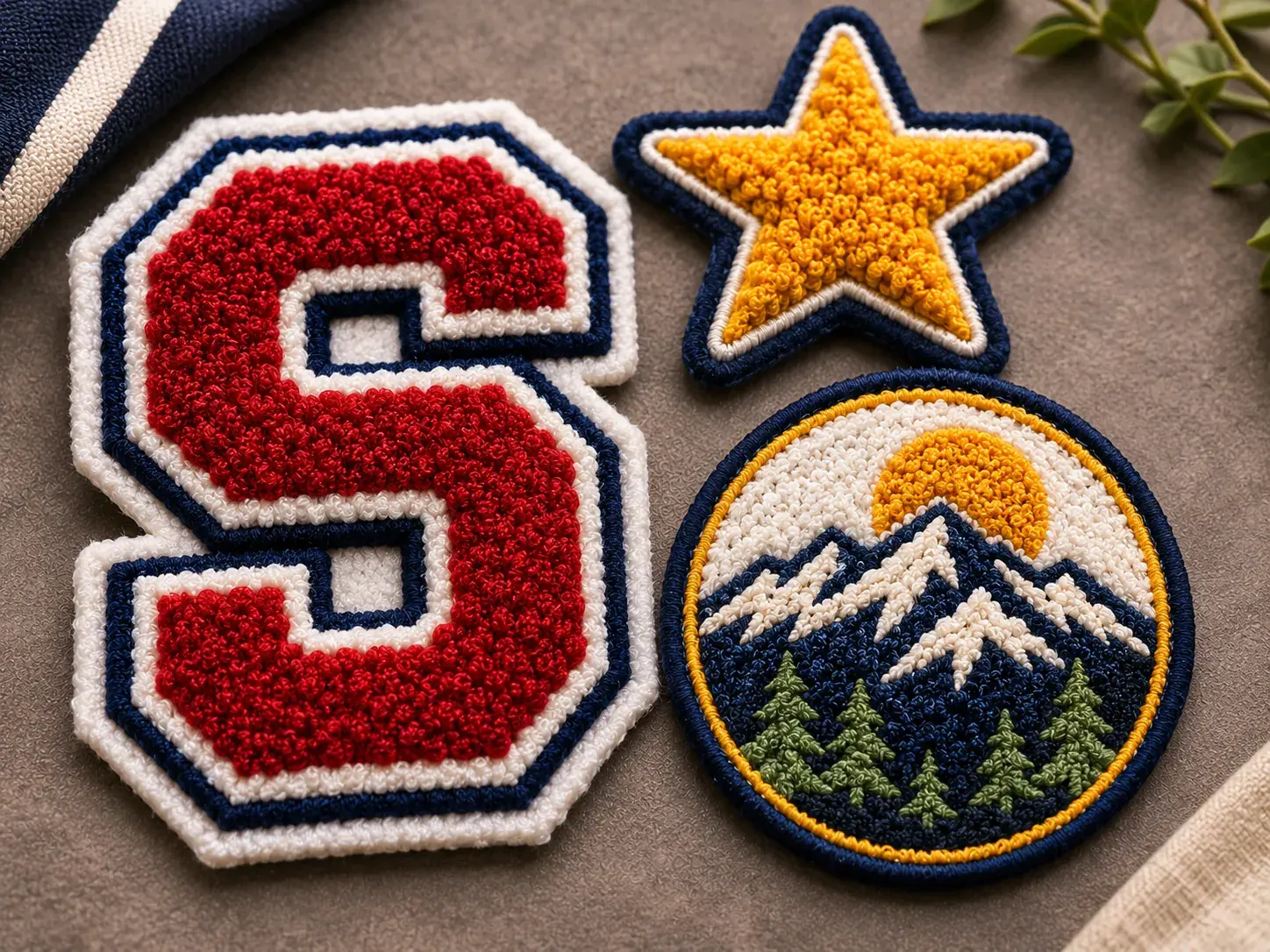
Soft, fuzzy loop yarn on a felt base. It suits varsity and retro styles, and it stays fairly light even at large sizes. Explore chenille patches.
Woven
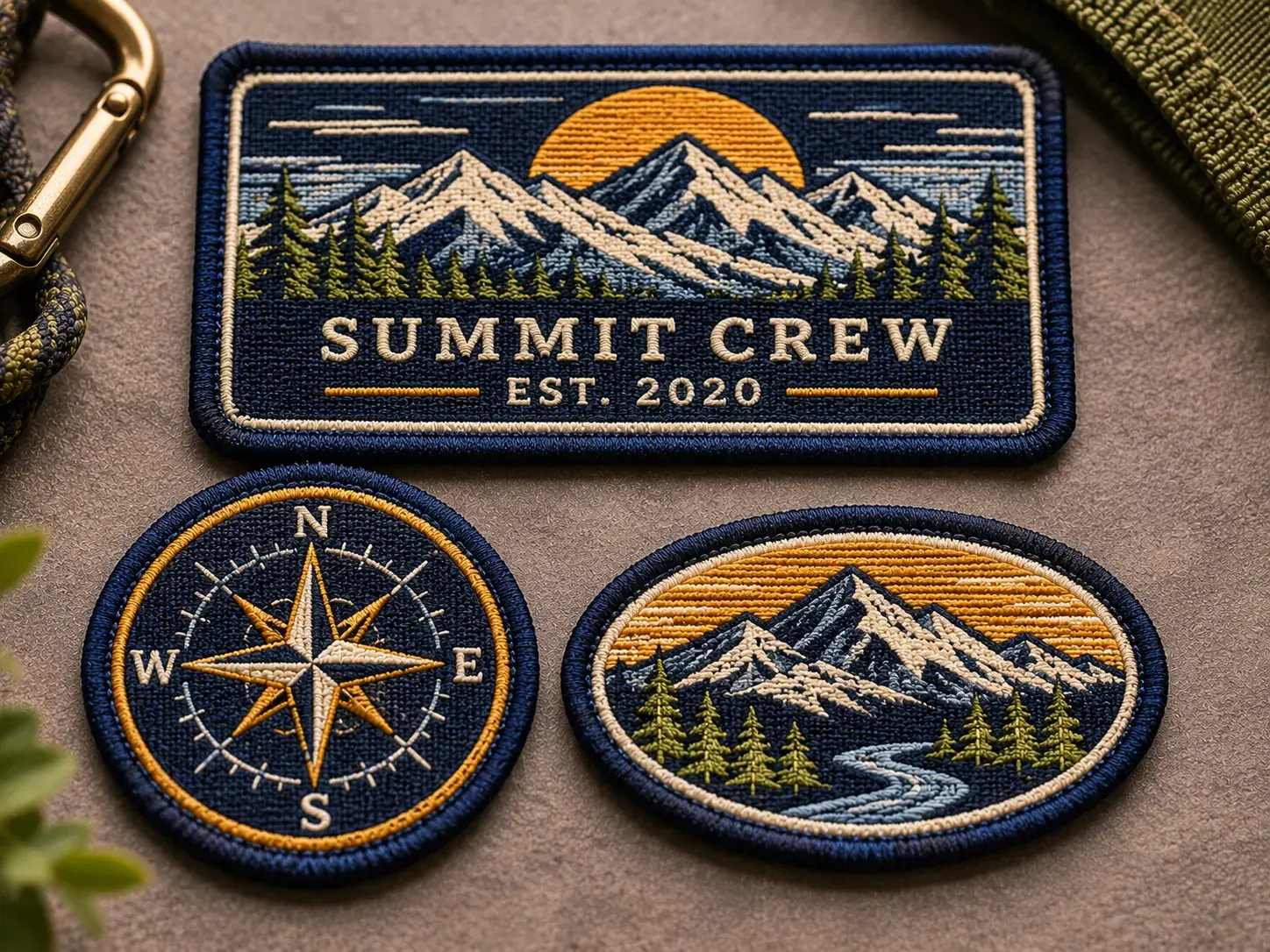
Thin and flat, with fine detail. A good pick for large designs packed with small text or thin lines.
Who Orders Large Back Patches
Bands sell back patches as merch for battle jackets. Apparel brands put them on denim and canvas jackets. Work crews, car clubs and community groups use them as a shared emblem.
Planning club colors with rockers and a center patch for a riding group? Those multi-piece sets have their own page for custom motorcycle club patches.
Design and Care Tips for Back Patches
- Scale text up. Lettering read from several feet away should be at least an inch tall.
- Use arched banners. Curved text across the top fits the shoulder line and frames the main image.
- Leave breathing room. Keep fine details away from the border so the edge stitch doesn't crowd them.
- Wash gently. Turn the jacket inside out, use cold water and air dry to protect thread color and shape.
Before sewing, pin the patch while the jacket is on a hanger or worn. That way, you can check that it sits level across the shoulders, not just flat on a table.
Steps to Order Custom Back Patches
- 01
Send your artwork
Share your design and jacket size through our back patch quote form.
- 02
We review and quote
Our team checks size, coverage and border options, then replies with a price.
- 03
Approve your digital proof
You see the full layout with dimensions and colors. Production starts after you approve.
- 04
Production and inspection
We stitch, finish and inspect every patch for flatness, border quality and color.
- 05
Shipped with tracking
Your patches are packed flat to avoid creases and shipped with tracking.
Back Patches: Frequently Asked Questions
What size should a back patch be?
Most back patches are 8 to 12 inches wide. Measure seam to seam across the upper back of your jacket, then subtract about 2 inches. Vests and smaller jackets usually suit 9 to 10 inches.
Will a large embroidered patch make my jacket stiff?
It can if every area is fully stitched. Lower stitch coverage, around 50% to 70%, keeps big patches light and flexible. Our team can suggest the right coverage for your design.
Can I iron on a back patch?
You can use iron-on backing to hold the patch in place. Still, large patches flex a lot, so sewing around the edge is strongly recommended for lasting results.
Why do some big patches curl at the edges?
Dense stitching pulls the fabric inward as it's sewn. Without a firm stabilizer and balanced stitch direction, that pull makes edges cup. Planning coverage and stabilizer together prevents it.
Do you make motorcycle club back patches?
Yes. Club sets with top and bottom rockers are covered on our motorcycle patch page, which explains vest layouts and multi-piece sets.
Is chenille or embroidery better for a large patch?
Chenille gives a soft, raised varsity look and stays fairly light. Embroidery holds sharper detail and text. Choose based on your design style and how much fine detail it has.